

Visit of the European Union Customs Alliance for Borders Management Team
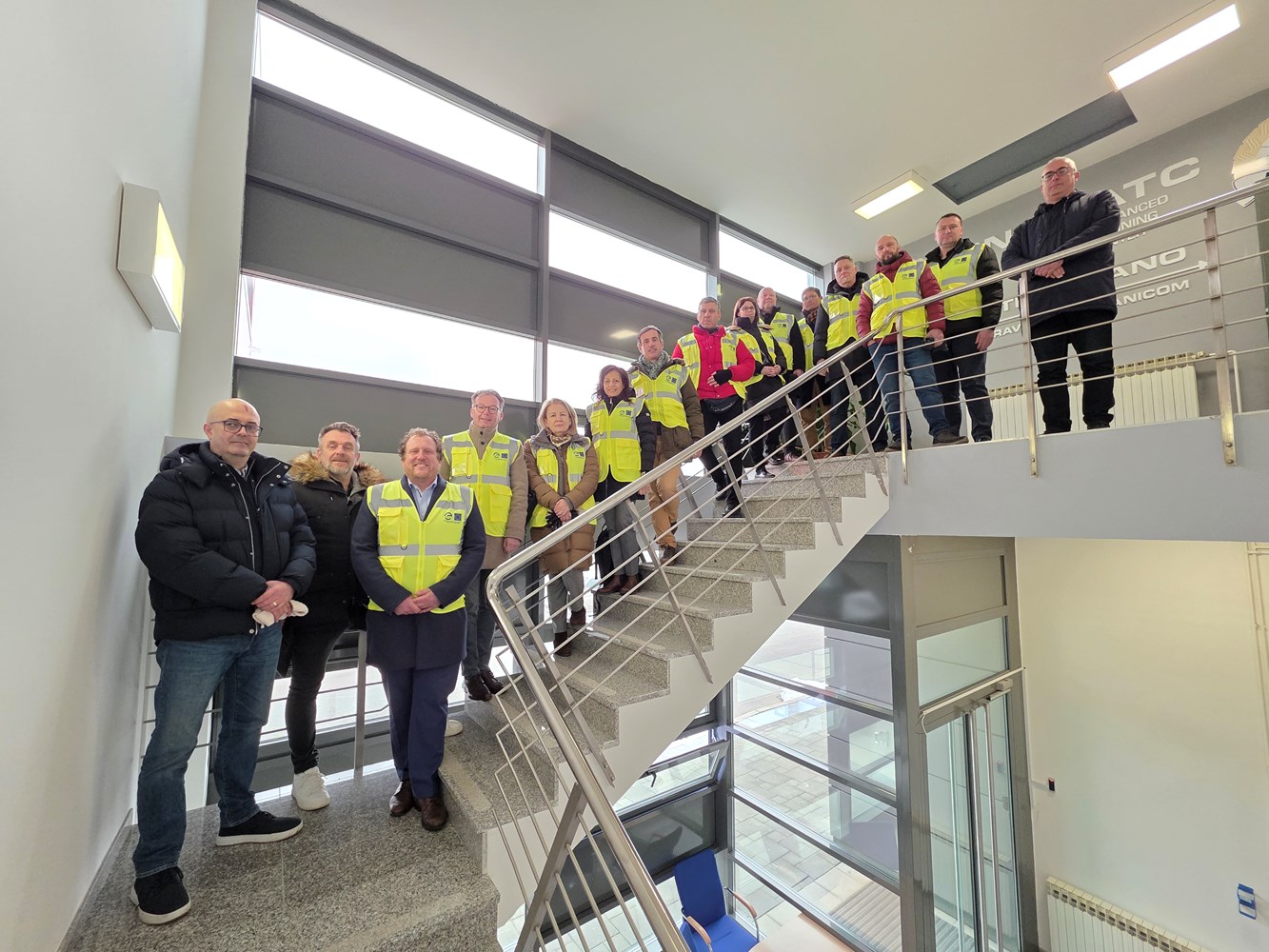


The EUCAB - European Union Customs Alliance for Borders - is a project of enhanced cooperation between customs authorities of EU Member States at the European Union’s external borders
On 20 and 21 January 2026, during the visit to the Customs Administration and the relevant meeting, topics of common interest related to customs administration activities and further strengthening of cooperation within the EUCAB project were discussed.The EUCAB Management Team consists of the leaders and deputy leaders of expert teams in charge of land borders, maritime ports, airports and postal traffic, mobile units, as well as for cooperation and support of activities within the project.
At the meeting, members of the Management Team expressed their gratitude to the Customs Administration, the excellent cooperation so far and the great engagement of customs experts in the implementation of the EUCAB project activities.
As one of the upcoming activities, a proposal for cooperation within the candidacy of the Customs Advanced Training Centre for the pilot project of acquiring the Centres of Excellence status was announced, which would focus on different aspects of training customs officials for the needs of the EUCAB.
The Customs Administration was pleased with the fact that Zagreb was chosen as the venue for the meeting and highlighted its priorities in further work, especially in activities at the EU level and within the EUCAB as an operational cooperation project. It also underlined the readiness of the Customs Administration to further support the project activities, with the expectation to approve and certify the Advanced Training Centre in Bregana as a EUCAB Centre of Excellence.
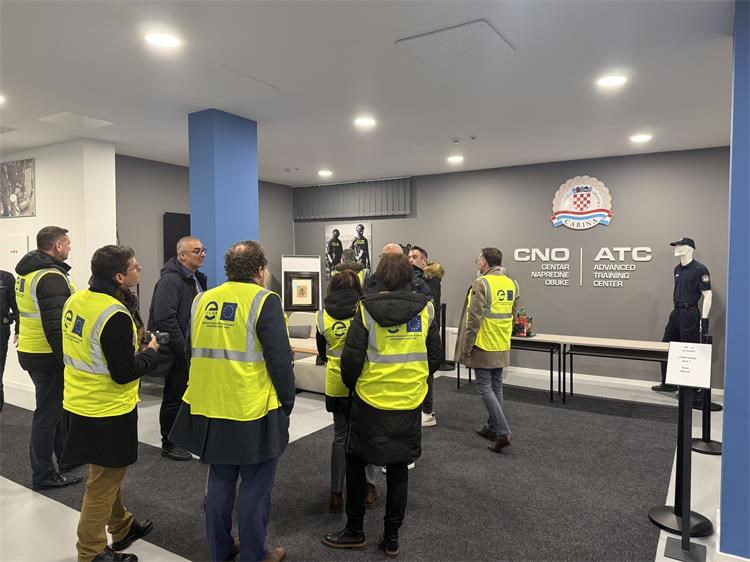
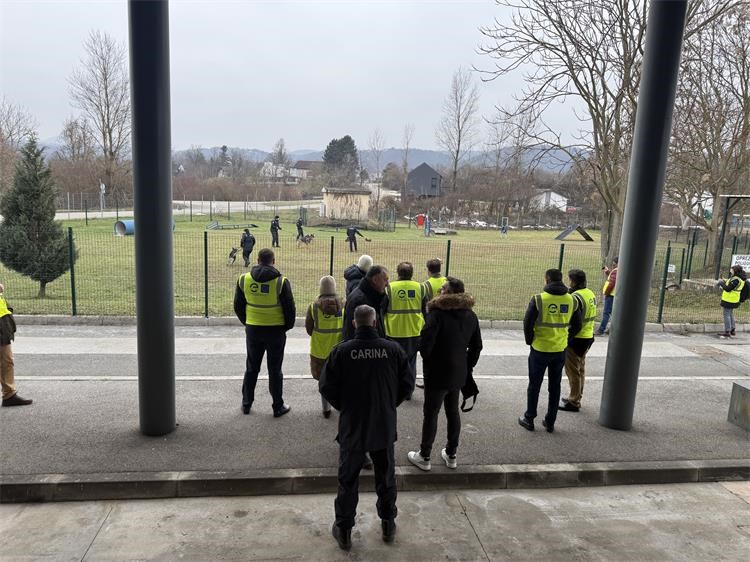
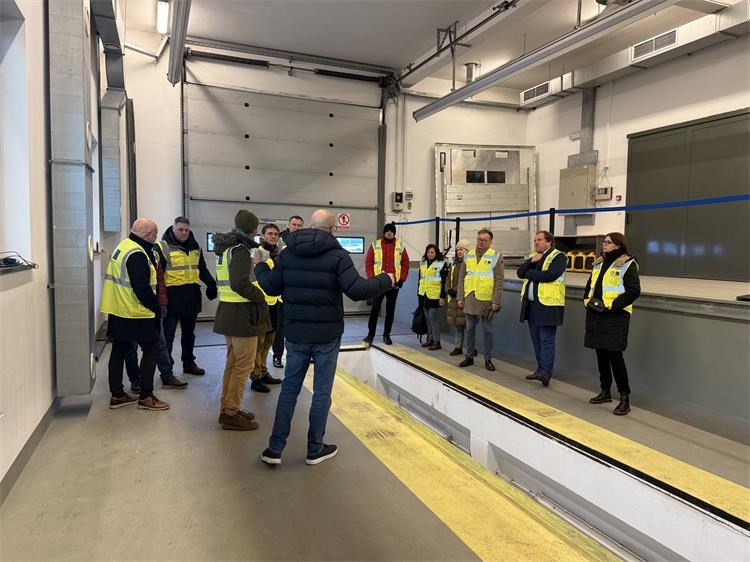
During the visit to the Advanced Training Centre in Bregana, the Management Team gained an insight into the available facilities and capacities of the Centre, the history of the customs service in the Republic of Croatia, and was presented with the demonstration exercises with the use of service dogs for detection, which are trained and used in the work and implementation of customs supervision.